
One Film, No Rush: The Quiet Case for a Sunday Matinee With Subtitles
A subtitled film on a Sunday afternoon is not homework. It is a small, affordable escape that slows the mind, widens the taste and gives the week a softer start.
Category
14 articles
A subtitled film on a Sunday afternoon is not homework. It is a small, affordable escape that slows the mind, widens the taste and gives the week a softer start.
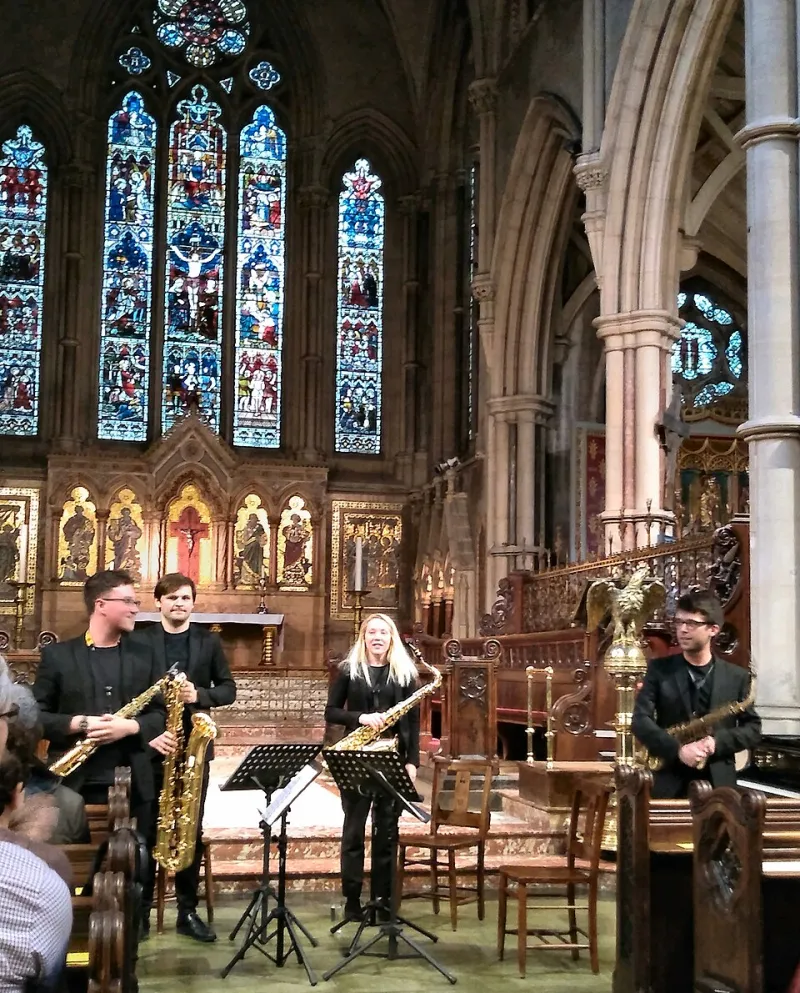
A weekday concert does not need to be an occasion. Across Britain, churches, halls and community rooms are offering short, cheap and startlingly good live music at lunchtime — the most civilised reset on the calendar.

The quickest route home gets you there sooner, but it rarely gets you there properly. A quiet case for adding fifteen minutes, one unfamiliar street and a proper coat to the end of the day.

In a diary culture built on maybes, there is a small, grown-up pleasure in the thing that happens anyway: the same pool lane, the same chair, the same Thursday evening. The fixed point is not a rigid routine — it is a quieter form of self-respect, and it costs far less than a spontaneous big night.
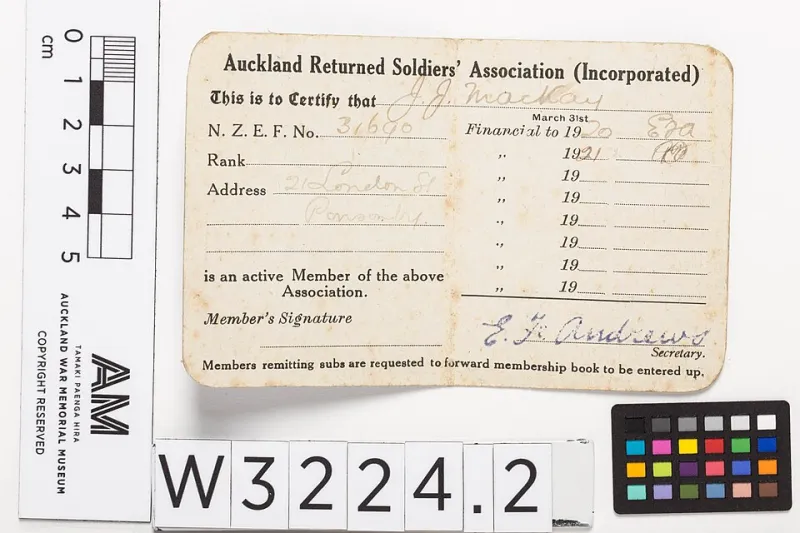
A museum membership is easy to file under charity or good intentions. But the annual card is really a subscription to a different kind of city day: shorter visits, better lunches, and the freedom to see one room and leave. Here is the quiet case for making it personal.
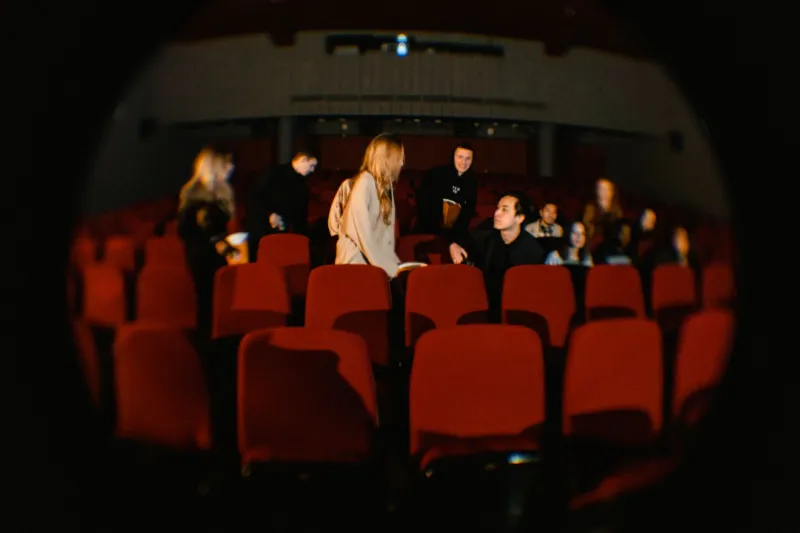
The matinee used to feel like the sensible option; in 2026 it is the smartest ticket in town. An afternoon screening or a 2pm curtain gets you home while the day still has edges — and leaves room for coffee, a late lunch and a walk that isn’t a sprint.

The open-ended catch-up is losing its hold. Across Britain, a quieter social grammar is taking over: one drink, one hour, one proper conversation — and the grace to leave while the evening still has shape. It is not a retreat from friendship; it is a more deliberate way of making room for it.

The interval used to be a queue you endured for a warm white wine. Now it is the part of the evening people talk about on the way home. A quiet look at why the ten-minute pause has become Britain's most civilised social ritual — and how to do it properly without missing the second act.

Dining alone used to be treated as a gap in the diary. Now it is a ritual of self-possession — a proper table, a proper drink, and no explanation owed to anyone. Here is how to do it well in Britain, without apology.

There is a particular pleasure in walking out of a library with a stack of books you do not own. This November, the local branch is quietly becoming Britain’s most stylish place to spend an hour—and the card in your wallet is the only accessory that matters.
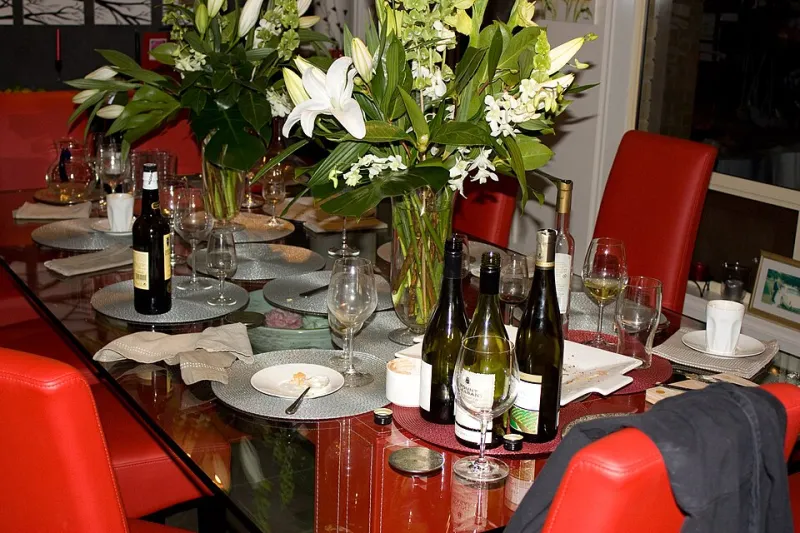
From Friday afternoons in the City to slow Sundays in the countryside, the long lunch is becoming a British ritual again. Here is why we are lingering over the table, and how to host one without turning it into a production.

Somewhere between the side hustle and the scroll, a quieter pleasure has returned: doing something badly, regularly and entirely for yourself. Britain's adult hobby revival is not about optimisation. It is about relief.

Britain's most telling social space in 2026 might be the café at the end of your road. Part living room, part office, part style barometer, it is where the neighbourhood performs its quiet rituals.
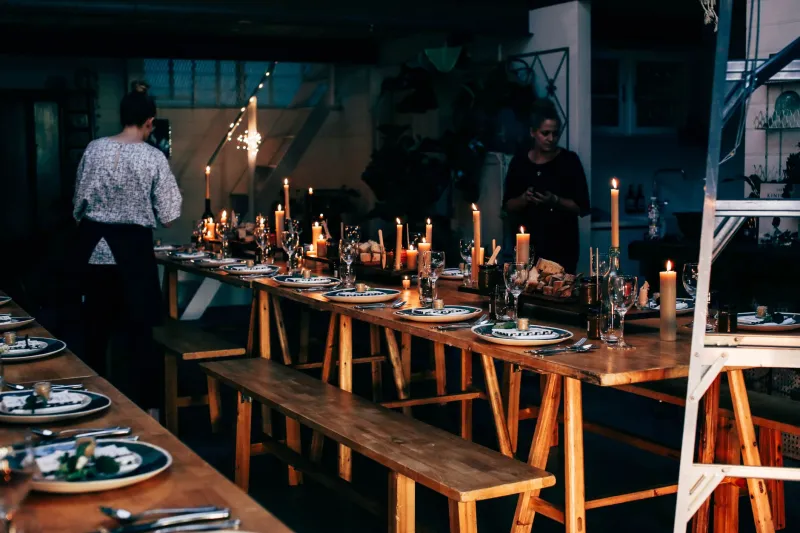
Across Britain, the most interesting nights out are getting smaller: listening bars, salon-style talks, supper clubs and bookshop events. This is why curated intimacy now feels more aspirational than the big-ticket night, and how to find the good rooms without acting like you own them.